


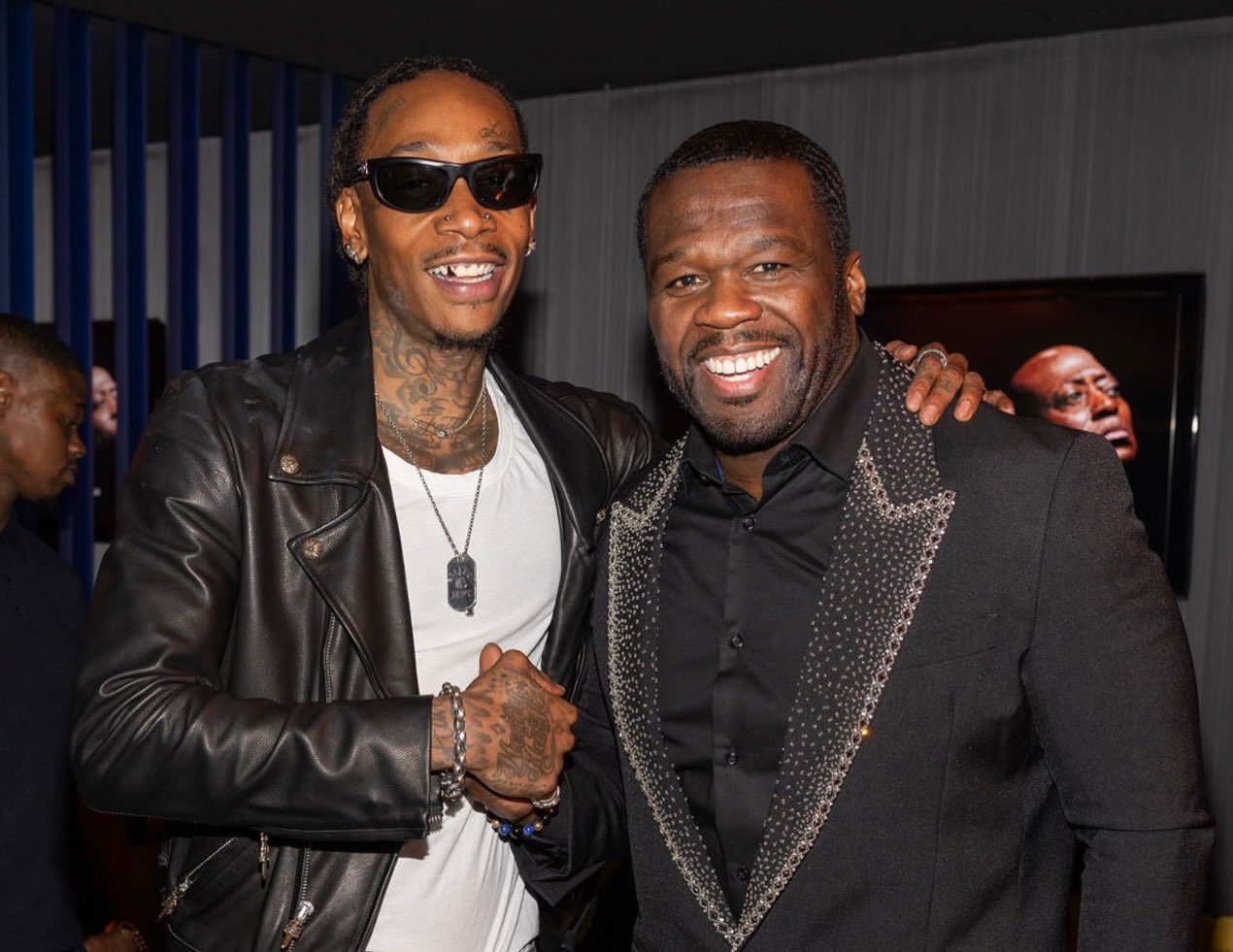
Curtis “50 Cent” Jackson, the multifaceted rapper, actor, and entrepreneur, has built a formidable career by blending street-smart storytelling with savvy business acumen.
From his chart-topping albums to his expansive television empire with hits like Power, 50 Cent has consistently navigated the entertainment industry with a keen eye on longevity.
Recently, at the Los Angeles premiere of his latest production, Moses the Black, he opened up about one of his core principles: avoiding public discussions on religion and politics to protect his projects from unnecessary controversy.
This approach, he explained, allows his work to reach a broader audience without alienating potential fans or partners.
The Context: Promoting Moses the Black
The revelation came during a screening event in West Hollywood for Moses the Black, a crime drama film executive-produced by 50 Cent through his G-Unit Film and Television banner.
Directed by Yelena Popovic, the movie stars Omar Epps as Malik, a Chicago gang leader grappling with rival threats from Straw (played by Quavo) and internal pressures from his crew, including 2wo-3ree (Wiz Khalifa).
Chukwudi Iwuji portrays St. Moses the Black, whose historical journey from gangster to saint parallels the protagonist’s arc. The film, set for a nationwide theatrical release on January 30, 2026, features an original soundtrack by Wiz Khalifa and draws inspiration from the real-life story of the 4th-century Ethiopian saint who transformed from a feared outlaw to a monk.
Despite the film’s religious undertones — rooted in the life of a Christian saint —
50 Cent emphasized his intent to frame it as pure entertainment. “It’s important for me not to make it about religion and make it about entertainment,” he told the audience.
“The subtext is already there.” By focusing on the dramatic elements of gang life, redemption, and conflict, he aims to appeal to a wide demographic without delving into divisive theological debates.
WATCH: TYLA’s Epic Rise From South Africa To The World | PROFILED
Why Avoid Religion and Politics?
Lessons from Peers 50 Cent’s philosophy stems from a simple yet profound piece of advice he’s often referenced: “There’s two things they tell you to stay away from… religion and… politics, because no matter what you think, someone passionately disagrees with you.”
He illustrated this point by citing fellow artists Ye (formerly Kanye West) and Nicki Minaj as cautionary examples. “I stay away from those things. That’s how Kanye fucked up. Then, Nicki said some shit,” he quipped, eliciting laughter from the crowd.
While delivered with humor, the message was clear: engaging in these topics can derail careers and overshadow creative output. Ye’s public forays into politics, including his support for Donald Trump and controversial statements on various issues, have led to significant backlash, including lost partnerships and public scrutiny.
Similarly, Nicki Minaj has faced criticism for her outspoken views, such as recent comments on immigration and clashes with figures like Don Lemon. 50 Cent views these instances as evidence that passion in these areas often invites opposition that can “f*** up” professional trajectories.
This isn’t the first time 50 Cent has touched on the subject. In a previous interview, he admitted to occasionally dipping into political commentary but stressed that he’s “conditioned” his audience to expect certain things from him without it derailing his brand.
For instance, he turned down a $3 million offer to perform at a Trump rally, prioritizing his neutral stance.
Protecting the Projects: A Broader Business Strategy
50 Cent’s avoidance of hot-button issues is a deliberate strategy to safeguard his diverse portfolio. Beyond music, he’s a powerhouse in television production, with franchises like Power and its spin-offs generating massive revenue.
His G-Unit brand extends to films, books, and even ventures like his Sire Spirits liquor line. By keeping his public persona focused on entertainment and entrepreneurship, he minimizes risks that could lead to boycotts, lost deals, or damaged relationships.
In the case of Moses the Black, this approach allows the film to highlight themes of transformation and resilience without being pigeonholed as a “religious movie.” As 50 Cent noted, the story’s inspirational elements are embedded subtly, making it accessible to secular audiences while resonating with those familiar with the saint’s legacy. This mirrors his overall career: delivering content with depth but without the baggage of polarization.
Conclusion: A Blueprint for Longevity in Entertainment
In an era where celebrities are often pressured to weigh in on every social issue, 50 Cent’s restraint stands out as a masterclass in brand protection. By citing real-world examples and applying this wisdom to projects like Moses the Black, he demonstrates how steering clear of religion and politics can preserve creative freedom and commercial success.
As the film hits theaters later this month, it will serve as a testament to his method — entertaining first, divisive never. For aspiring moguls, the lesson is clear: sometimes, silence on certain topics is the loudest strategy for building an empire.